

The Molecular Beauty Era: Global BioSignal Serums Market Projected to Hit USD 11.4 Billion by 2036
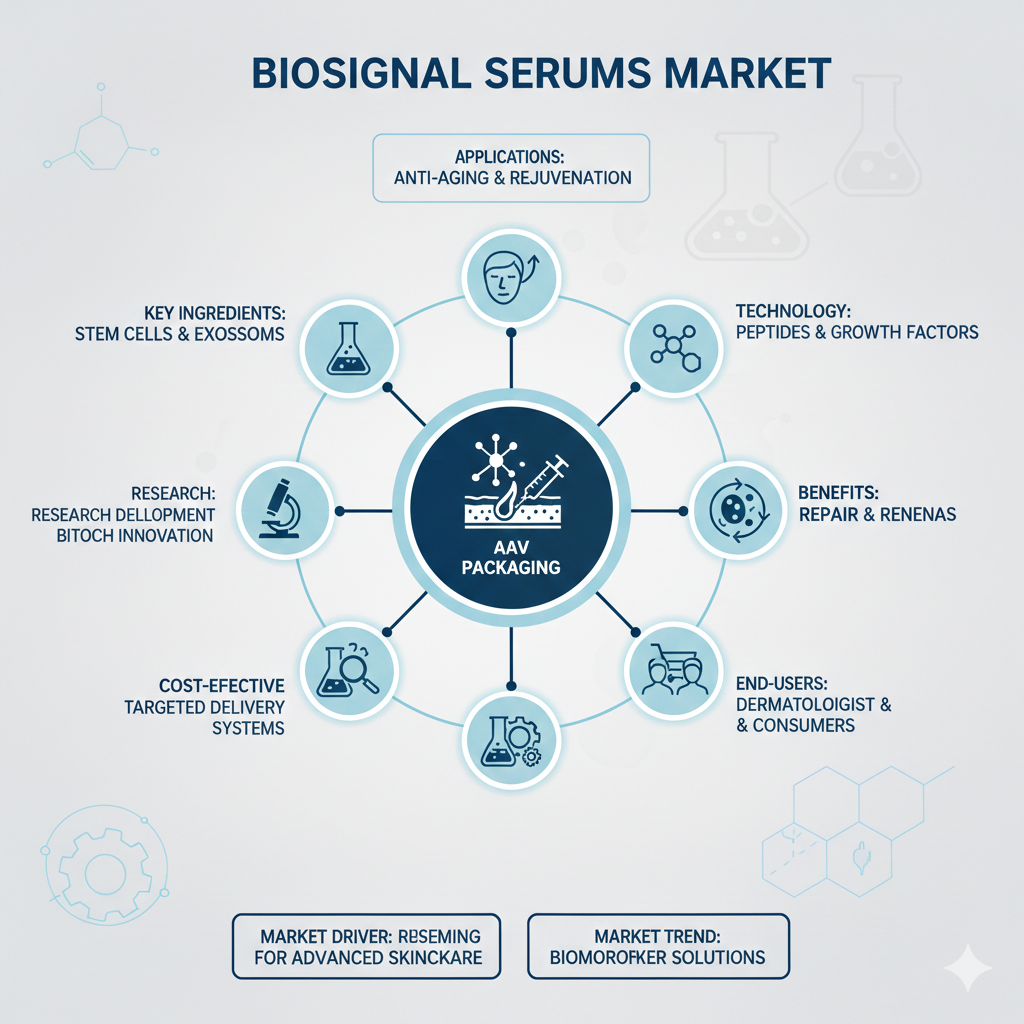
BioSignal Serums Market
BioSignal Serums market is projected to reach a valuation of USD 6.3 billion in 2026 and expand to USD 11.4 billion by 2036, advancing at a 6.1% CAGR
NEWARK, DE, UNITED STATES, February 11, 2026 /EINPresswire.com/ -- The beauty industry is undergoing a paradigm shift from surface-level aesthetics to "biological truth." According to a comprehensive strategic report by Future Market Insights (FMI), the global BioSignal Serums market is valued at USD 6.3 billion in 2026 and is forecast to reach USD 11.4 billion by 2036, expanding at a steady 6.1% CAGR.
This growth is fueled by a transition from symptom-based skincare to biomarker-guided personalization. Consumers are no longer satisfied with generalized "anti-aging" claims; they are seeking formulations that respond to measurable cellular signals, supported by advances in microfluidics, skin diagnostics, and "lab-on-a-chip" technologies.
L’Oréal Unveils "Cell BioPrint": The Lab-on-a-Chip Revolution
Leading the charge is L’Oréal Groupe, which recently unveiled Cell BioPrint, a proprietary technology that bridges the gap between clinical diagnostics and consumer beauty.
“At L'Oréal, we are blending cutting-edge discoveries with our long-standing beauty expertise,” stated Barbara Lavernos, Deputy CEO in charge of Research, Innovation and Technology. “With the Cell BioPrint device, we offer people the ability to discover deeper insights about their skin through specific biomarkers and to proactively address beauty and longevity.”
This move signals a broader industry trend where serums are no longer viewed as traditional cosmetics but as precision tools for cellular health.
Request For Sample Report | Customize Report | Purchase Full Report
https://www.futuremarketinsights.com/reports/sample/rep-gb-31809
The Science of Signaling: Why Peptides and Anti-Aging Lead
The market is anchored in Anti-Aging Serums (50% share) and Peptides (47% share) because these segments offer a cell-free alternative to invasive regenerative procedures.
• Peptide Dominance: Peptides act as "messengers" that instruct skin cells to repair and reorganize structural proteins. Unlike passive moisturizers, they provide an active biological response.
• Biomarker Evidence: Clinicians are increasingly using protein biomarkers like S100B (with a cut-off value of 48.085 pg/ml) to provide immediate evidence of pathologies, allowing for faster, data-driven skincare decisions.
AI-Driven Personalization and Regulatory Clarity
Artificial intelligence is replacing subjective skin assessment with quantifiable physiological data. Recent clinical studies show AI algorithms identifying latent health markers before symptoms become visible.
The market is also benefiting from regulatory maturation. On January 6, 2026, the FDA released revised guidance for low-risk wellness products, lowering the barrier for specialized labs to introduce innovative bioactive assays without the burden of full medical device clearance.
Regional Outlook: China and India as Biotech Powerhouses
While the United States (5.8% CAGR) focuses on safety substantiation under the Modernization of Cosmetics Regulation Act (MoCRA), emerging markets are advancing at a much faster pace:
• China (8.2% CAGR): Leading the world through the 14th Five-Year Plan, which funds large-scale R&D in skin microbiome science and green biomanufacturing.
• India (7.6% CAGR): Shifting toward "Skinimalism" and high-efficacy serums that prioritize cellular longevity and ingredient transparency.
• Germany (7.0% CAGR): Integrating preventive health with scientific skincare through the "Medicine of the Future" initiative.
Competitive Landscape: The Rise of "Bio-Identical" Actives
The market remains a battleground between established giants and biotech startups. While L’Oréal leverages its massive 250,000 sq. ft. research center in New Jersey, startups like Debut are utilizing bio-fermentation to create novel active ingredients.
Strategic Developments:
• Shiseido (Jan 2026): Launched the first AI-formulated mist-type suncare using its VOYAGER platform.
• OneSkin: Pioneered the MolClock, a skin-specific molecular clock designed to predict biological age.
Market Definition & Scope
The BioSignal Serums Market refers to formulations that influence skin behavior through biological signaling (peptides, growth factors, exosomes) rather than surface hydration. Exclusions: Generic moisturizers, traditional beauty oils, decorative cosmetics, and invasive medical procedures.
Similar Industry Reports
Hair Serums Ingredient Market
https://www.futuremarketinsights.com/reports/hair-serums-ingredient-market
Cryo Serums Market
https://www.futuremarketinsights.com/reports/cryo-serums-market
Vitamin C Serums (Ascorbic Acid) Market
https://www.futuremarketinsights.com/reports/vitamin-c-serums-ascorbic-acid-market
Sudip Saha
Future Market Insights Inc.
+1 347-918-3531
email us here
Legal Disclaimer:
EIN Presswire provides this news content "as is" without warranty of any kind. We do not accept any responsibility or liability for the accuracy, content, images, videos, licenses, completeness, legality, or reliability of the information contained in this article. If you have any complaints or copyright issues related to this article, kindly contact the author above.
